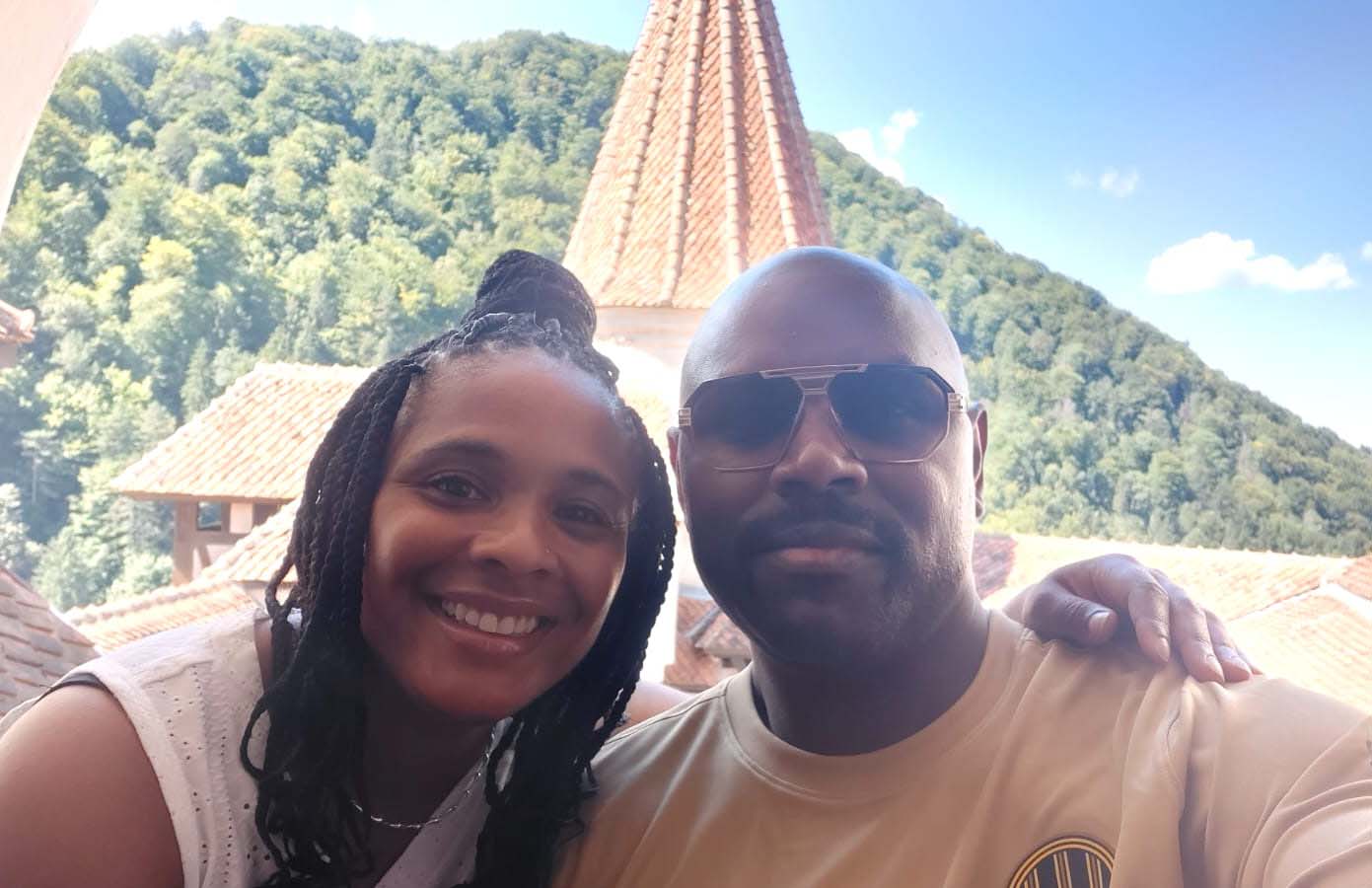
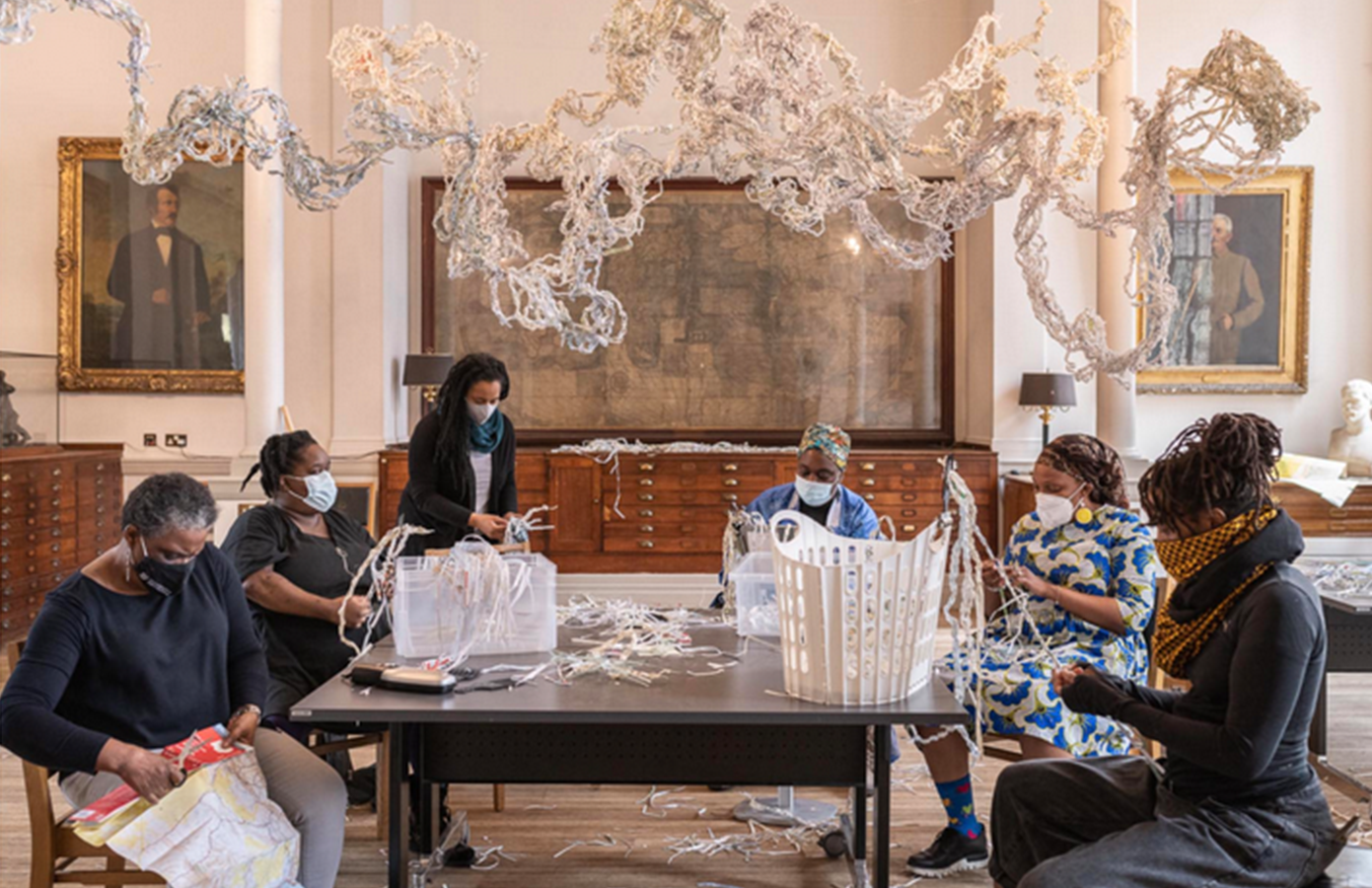
I was born in Malawi in 1980, where my dad, a British Engineer, met my mother, Grace, a Malawian bank clerk. As a result, I spent the first seven years of my life predominantly in Africa. My parents bought a house in Newport in 1982, where my father’s family lived. We lived in Africa when my dad was working away, but during the school holidays, I would be home in Wales. For me, Newport is the place my family made home and where my most cherished memories with my parents, extended family and friends remain.
Pillgwenlly
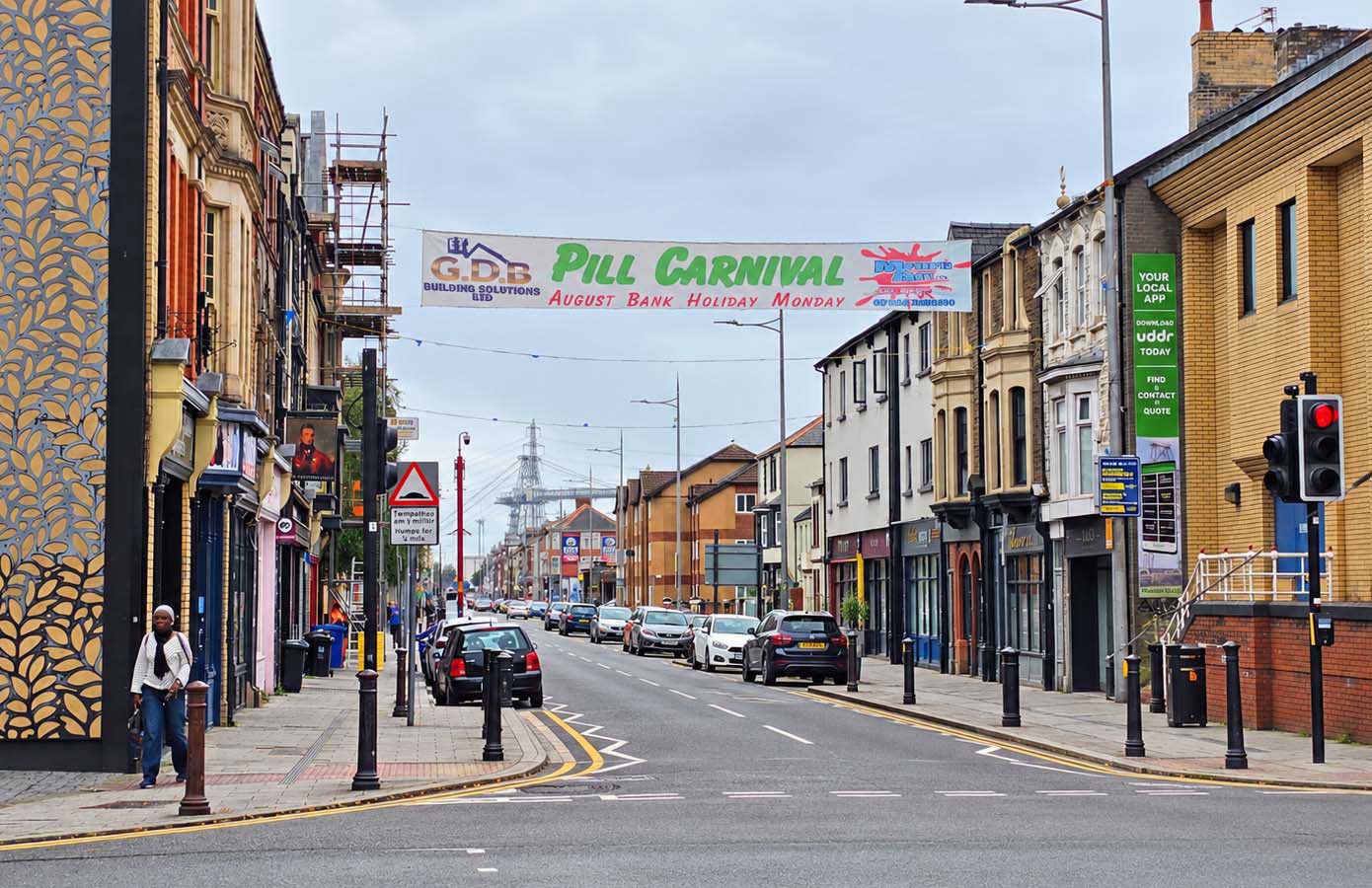
Beginning in the 19th century, merchant seamen from the Caribbean found work on shore. Hailing from Jamaica, Barbados, Trinidad, and Bermuda, they worked as colliers (miners) while building roots in the multicultural hub of Pillgwenlly. Back in the 1980s and 90s, when I was a child, there was not a large black community. We all knew who each other was, and it was an incredibly supportive close kit community. Pillgwenlly is about a 15-minute drive from where I live today. It’s called Pill by the locals. Pill is not only known for its stunning architecture on Lower dock street, but it is also the area that has been associated historically with black culture and businesses. The Caribbean community in Pill dwindled, but the area still has that section of the black community that migrated there in the 1980s, after the civil war in Somalia led to people fleeing the country. So, the black community that inhabits this area right now is primarily East and West Africans. In 2024, the Sudanese Newport Sudanese Community Association officially opened a new space.
Visit
Pill Carnival
If you’re in Newport on Bank Holiday Monday in August, check out the Pill Carnival, which started in the 1970s. Run the community committee, and it receives support from groups like Newport City Council.
https://www.facebook.com/pillcarnival/
Newport Docks
Newport has one of the oldest Afro-Caribbean and black merchant seamen communities in the UK. It can be traced back to the 19th and early 20th centuries, when, from the 1800s onward, global shipping routes connected Newport’s booming coal and steel exports directly to West Africa, the Caribbean, and other global ports. West African and Caribbean sailors from Jamaica, Trinidad, and Barbados frequently transitioned from ship to shore, settling permanently in dockland neighborhoods. The city’s docklands experienced racial disturbances like many neighboring cities during the 1919 Race Riots amid the economic tensions of post-World War I. In the 20th Century and the Windrush Era (1940s–1960s) Caribbean migrants—predominantly from Jamaica and Barbados—arrived in Newport to work on the docks and in other industries as mentioned above.
Discover the Historic Dock Project
No need to travel to discover the early black presence in Newport and other South Wales locations, thanks to the Historic Dock Project, which has documented some of the city’s black history, including writing a book called, ‘Newport’s Forgotten History: The 1919 Race Riots.’
https://www.historicdockproject.co.uk/projects/caribbean-connections
Food
Newport is home to vibrant African and Caribbean eateries reflecting diverse cultural cuisines. Here are a few that are located close to the centre of the city:
City Centre
Mama T African Restaurant
African
99 Commercial St
+44 1633 357975
This women-owned spot serves authentic, freshly cooked Nigerian dishes like jollof rice with plantains, amala, and abula.
East of the River Usk
Vee’s Kitchen
Caribbean
246 Corporation Rd
+44 1633 769368
Known for comforting Caribbean staples like brown stew chicken.
Pillgwenlly
Habesha Restaurant & Bar
Ethiopian
57 Commercial Rd
+44 7481 281071
This relaxed venue offers traditional Eritrean and Ethiopian dishes served with injera and features a traditional coffee ceremony.
Eritrean Cafe
Eritrean
70 Commercial Rd
+44 1633 376727
This cafe provides spiced meat stir-fries and large vegan-friendly vegetarian platters served on traditional fermented flatbread.