Black Nottingham may not be what you think of when someone mentions Nottingham. Robin Hood, Sherwood Forest and medieval legends usually steal the spotlight. But beyond the folklore is another fascinating story—one of a Black community that has helped shape the city for more than two centuries. While many Nottingham families arrived from the Caribbean in the years after the Second World War, the story of Black Nottingham begins much earlier with George John Scipio Africanus, who made Nottingham his home in 1784 after being brought to England as an enslaved child.
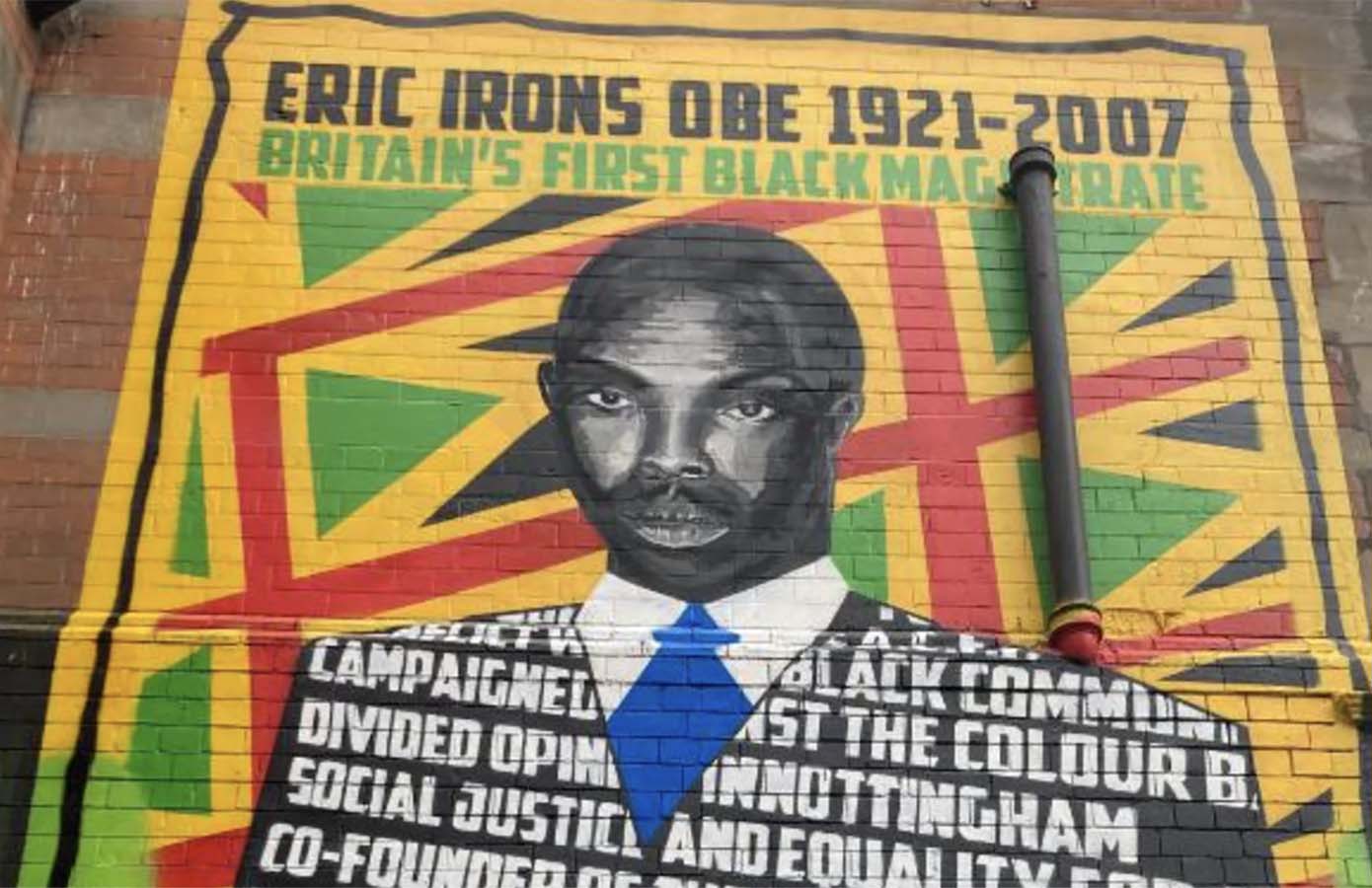
Among the city’s postwar Black residents were former WWII radar operator Oswald George Powe and social justice activist Eric Irons, who laid the foundation for Black political organizations that successfully challenged systemic racism in local employment.
By the 1950s, tension caused by a number of factors, including post-war economic pressures, housing shortages, and right-wing agitation, reached a boiling point, resulting in clashes between West Indian and white residents. The 1958 conflict did have at least one positive outcome, with Irons being appointed the country’s first Black magistrate four years later.
Meanwhile, Nottingham has continued to evolve as a multicultural society. In 1989, for example, it elected its first Black sheriff and mayor, Jamaica-born Tony Robinson, and followed up with several Caribbean heritage.
Other prominent Black residents include football star Viv Anderson, who made history as the first Black player to represent England at the senior international level, actor Lennie James who is globally recognized for his iconic role as Morgan Jones in The Walking Dead franchise and Catherine Ross, who founded The National Caribbean Heritage Museum in 2015. The traveling museum which commemorates the Windrush generation and their influence and impact on British society.
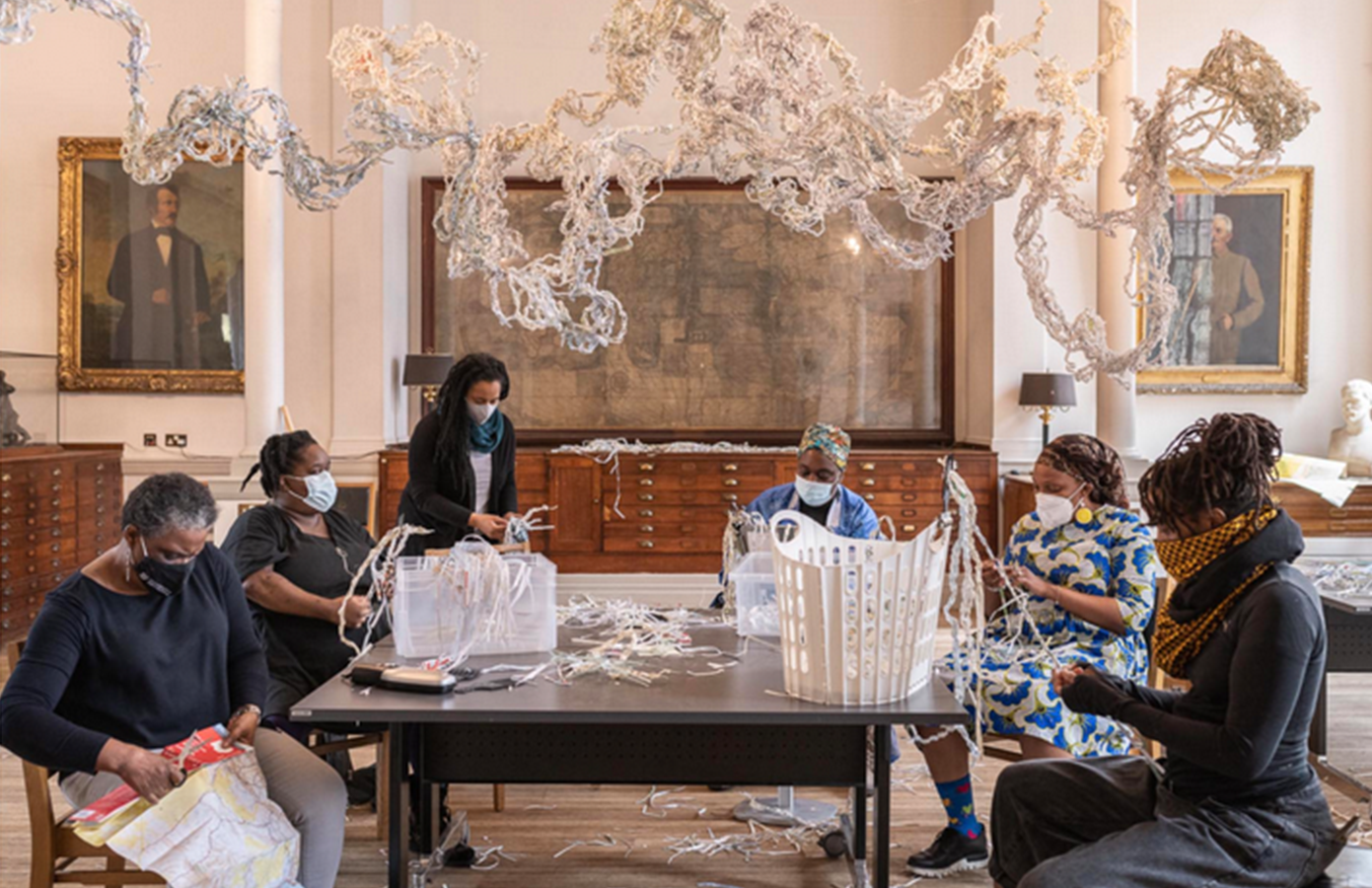
Today, the city’s Black history is being preserved through the Nottingham Black Archive, which was founded in 2009 by museum professionals, Panya Banjoko and Laura Summers. The organisation collects oral histories and artifacts, leads community projects, and hosts exhibitions and events promoting Black creatives.
For more information, visit the Nottingham Black Archive.
http://nottinghamblackarchive.org/
Watch this interview with Nottingham’s first Black Sheriff, Tony Robinson, here.