Across the UK, Black entrepreneurs are finding new ways to showcase their products, reach customers and grow their businesses. From fashion to jewellery to food and educational products, marketplaces like London’s Black Culture Market Black Culture Market are helping them promote their brands and engage with customers.
At a recent two-day event in Brixton, London, African and Caribbean vendors exhibited their businesses at the market, founded by entrepreneur Jen Baptiste in 2018. According to figures provided by the company, Black Culture Market has welcomed more than 150,000 visitors at more than 68 events since its launch, generating more than £1.6 million for Black-owned businesses.
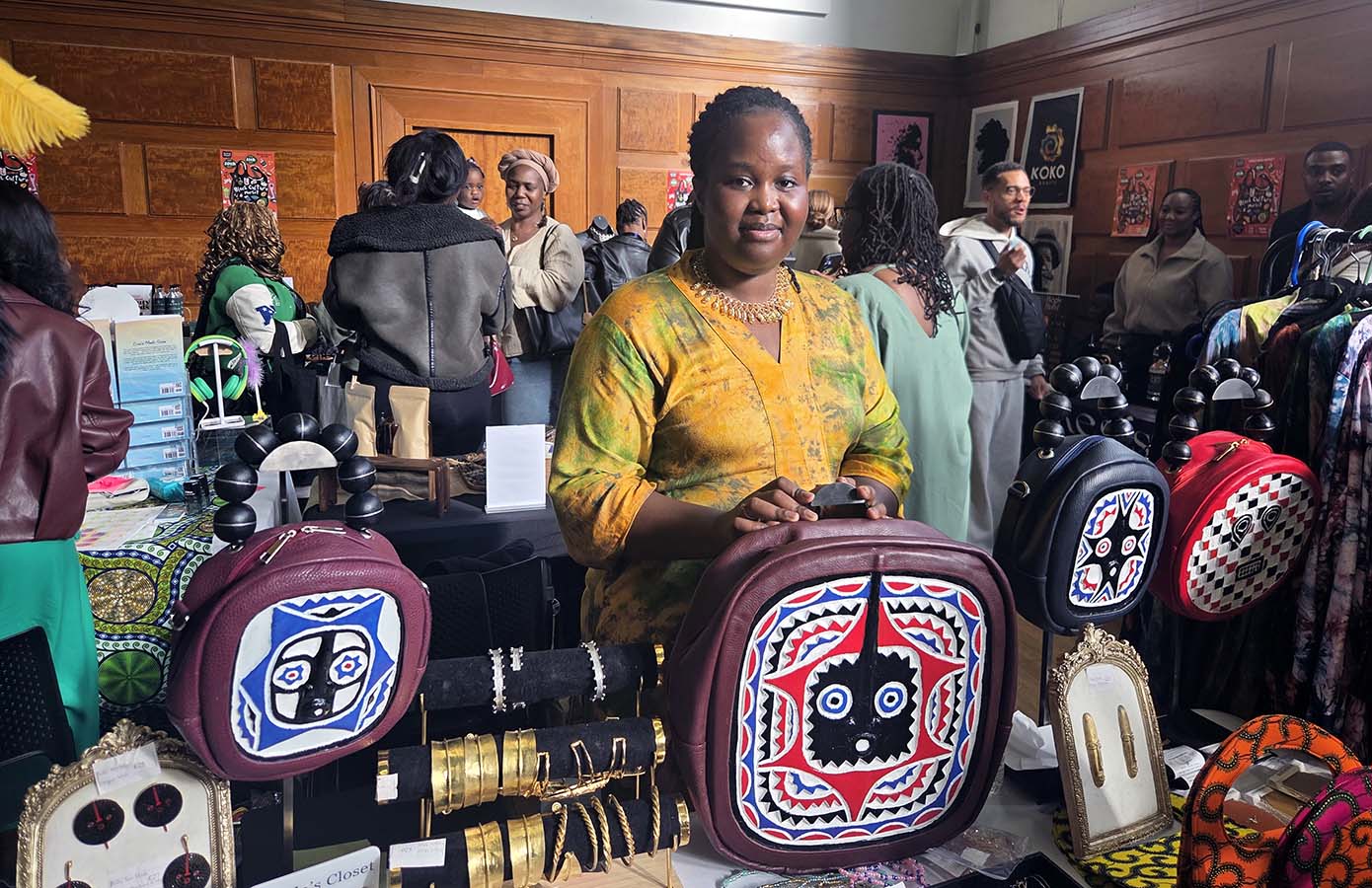
Among the featured businesses was Sokona Sokona, founded by Zainab Sokona. It sells contemporary handbags made using materials including raffia, sisal and palm leaves, sourced from Ghana. The bags retail between £65 and £215 and are sold online, through Instagram and at retailer Wolf & Badger.
Born in the Democratic Republic of Congo and raised in Belgium, Sokona has lived in the UK for around 20 years. A visit to northern Ghana introduced her to women specialising in traditional basket weaving, inspiring her to develop contemporary handbags using their craftsmanship. She initially purchased bags for herself, but after friends expressed interest, she commissioned more and established an online business. Sokona now designs the bags while Ghanaian women undertake the weaving and folding.
She also attends Black cultural markets and African-Caribbean retail events to keep up with fashion trends and engage with potential customers. Sokona says many market visitors are Black women who are keen to support her business.
Meanwhile, Fatu Jabbie, founder of Ndeyla Accessories NdeylaAccessories – Etsy UK, has developed a fashion and accessories business selling clothing, jewellery and handbags. Originally from Sierra Leone and Senegal, Jabbie taught herself to sew while working in surgical support services. Her products are sold through Etsy and Instagram.
Jabbie says markets provide opportunities to connect directly with customers, build retail experience and network with other entrepreneurs. Her business has recorded 816 sales on Etsy as of October 2026.
For inventor Aisha Jasmin, creator of Black History Salute blackhistorysalute.co.uk/, Black Culture Market offers an opportunity to showcase her educational card game celebrating Black historical figures, including Mary Seacole, Claudia Jones, Walter Tull and Olive Morris. The limited edition comprises 500 packs priced at £29.99 each, and is primarily aimed at African and Caribbean audiences interested in learning about their history.
A short distance away was Mina Cuisine Mina Cuisine, owned by Anita Yawli. Based in Sheffield, the catering business specialises in West African food, including jollof rice and puff-puff. Yawli travelled to London because she believes the capital offers greater opportunities for Black entrepreneurs through its larger customer base and established networking events. She sees Black Culture Market as an opportunity to meet other entrepreneurs, attract customers and raise her business profile.
Also exhibiting was Sophia Grace, founder of Grace Collective, Grace Collective, an online jewellery and fashion business based in Buckinghamshire. Grace creates handcrafted jewellery using pearls and semi-precious materials. Following the death of her mother, she changed the direction of her designs to Christian-inspired jewellery.
Grace says that there are limited opportunities to sell a Black-owned brand in Buckinghamshire. She has attended Black Culture Market for three years because it gives her access to a larger Black customer base and allows her to sell more of her jewellery.
“I live in Buckinghamshire, but there are not many opportunities to sell a Black brand like mine. The Black population there is about 2.5% as compared with London, where it is about 14%. At such events as the Cultural Black Market, which are frequented by thousands of Black people from all over the United Kingdom, I can sell many more of my custom made jewellery. It’s my third year of coming here. I will continue to come.”
Sophia East, one of the thousands of visitors to Black Culture Market, says she came because, “it’s in Central London, it feels like it’s rooted in our community, and it’s all Black-owned businesses and it’s important for me to see like-minded people in a supportive and collaborative environment.”
While Black Culture Market provides a growing platform for Black-owned businesses in London, other initiatives are creating opportunities for them in other parts of the country. These include Melanin Markets Melanin Markets in Manchester and Black Brighton Market Brighton Market in Brighton.